Politics News

grassroots shift former bjd heavyweight rabindra jena joins bjp
Politics News

Grassroots Shift: Former BJD Heavyweight Rabindra Jena Joins BJP

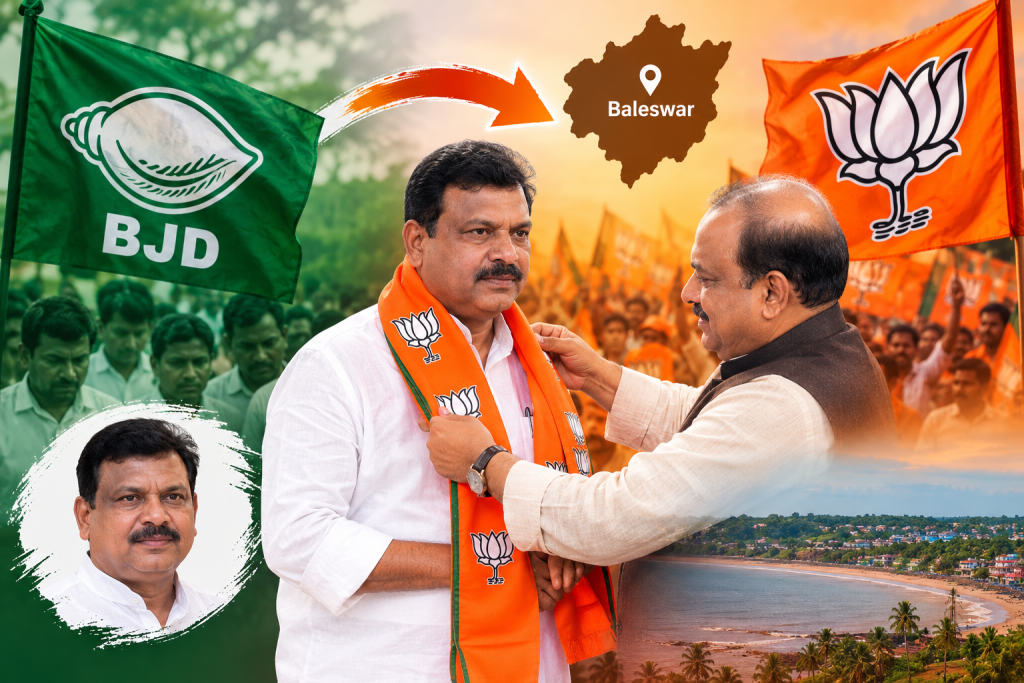
The political landscape in Baleswar district has witnessed a significant development with Rabindra Jena, a prominent industrialist and former Biju Janata Dal (BJD) leader, joining the Bharatiya Janata Party (BJP). His move has attracted attention within the district’s political circles because of his earlier association with the BJD and his involvement in grassroots-level political activities. Jena’s shift comes at a time when both the BJP and BJD continue to consolidate their organisational networks across Odisha following the change in the state’s political leadership. His decision to leave the BJD and join the BJP has therefore become a notable development in Baleswar, where both parties have an established political presence. The move is being viewed by political observers and party supporters through different lenses. BJP leaders and supporters have highlighted the development as an expansion of the party’s organisational base and an indication of growing support among local political workers. On the other hand, the development presents a challenge for the BJD as it seeks to maintain and strengthen its organisational structure in the district. Jena’s background as an industrialist and his previous grassroots involvement have added significance to the political transition. His association with local communities and political networks could make his entry into the BJP an important development for the party’s organisational activities in the region. The extent of its impact, however, will depend on how local party structures, workers and voters respond over time. The development also reflects the continuing realignment of political leaders and grassroots workers in Odisha following the state’s change in government. Political movements between the BJP and BJD have become an important feature of the state’s evolving political environment, with leaders and supporters reassessing their organisational affiliations. For Baleswar, Jena’s move adds another dimension to the ongoing political competition between the two major parties. Both the BJP and BJD are expected to focus on strengthening their grassroots organisations and maintaining connections with local communities as political activity develops across the district. The immediate organisational and electoral consequences of Jena’s decision remain to be seen. His joining the BJP nevertheless marks a notable political transition in Baleswar and is likely to remain a subject of discussion among local political stakeholders.
high court orders administration to crack down on mining mafia
Politics News

High Court Orders Administration to Crack Down on Mining Mafia

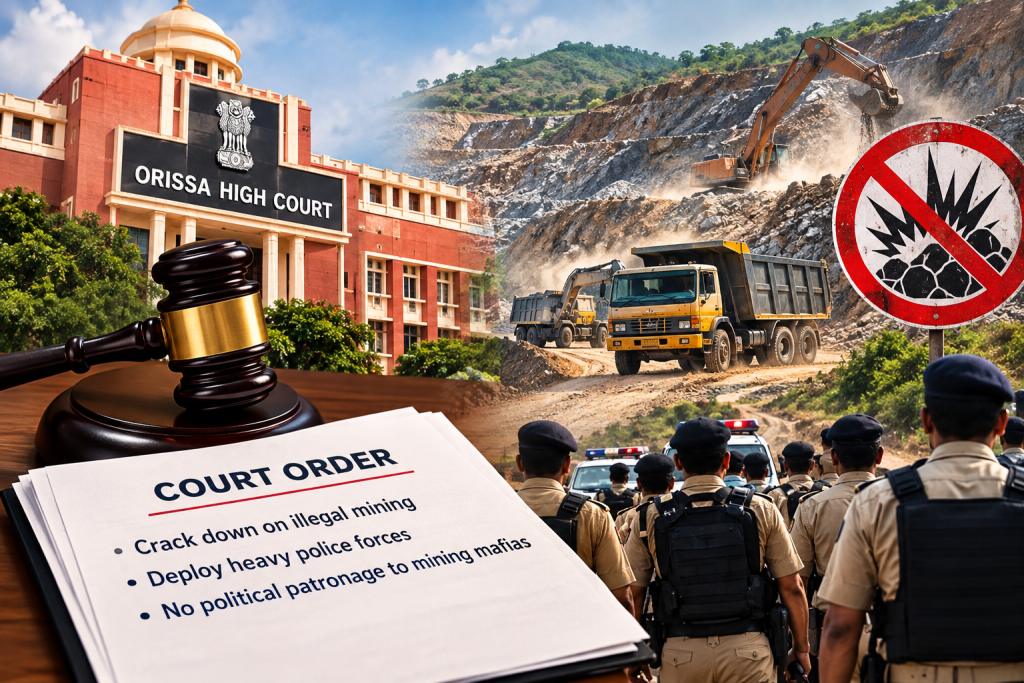
The Orissa High Court has taken serious note of allegations concerning illegal mining activities, mineral blasting and unauthorised transportation in parts of Baleswar and Mayurbhanj districts. The court’s intervention has brought renewed attention to concerns surrounding the extraction and movement of minerals without proper authorisation and the challenges faced by district authorities in preventing such activities. During the proceedings, the court questioned the concerned district administrations over the reported continuation of illegal mining and transportation. The matter has raised concerns about the enforcement of mining regulations and the need for stronger coordination between the police, district administration, mining authorities and other government agencies responsible for protecting mineral resources and maintaining law and order. The court directed the Superintendents of Police of Baleswar and Mayurbhanj to take immediate enforcement measures at vulnerable mining locations. The directions included deploying adequate police personnel at mining sites to prevent unauthorised blasting, extraction and transportation of minerals. The emphasis on stronger police presence reflects the seriousness with which the court has viewed the reported activities. The court also reportedly cautioned state authorities against allowing political patronage or influence to shield illegal mining operators. Such observations have added a political dimension to the issue, while also placing greater responsibility on government officials to ensure that enforcement actions are carried out independently and according to law. Illegal mining can have wider consequences beyond the loss of mineral resources. Unregulated excavation and blasting may affect local landscapes, roads, water sources and surrounding communities, while unauthorised transportation can create additional challenges for enforcement agencies. Ensuring that mining operations comply with environmental, safety and licensing requirements is therefore an important responsibility of the concerned authorities. Following the court’s directions, attention is now focused on the actions that will be taken by the district police and administrative authorities in the affected areas. Enforcement agencies may be required to strengthen surveillance of mining locations, verify permits and transportation documents, and take action against violations in accordance with applicable laws. The court’s intervention has once again highlighted the importance of transparent and effective monitoring of mining activities in mineral-rich regions of Odisha. The developments in Baleswar and Mayurbhanj will be closely watched as authorities respond to the court’s directions and work to prevent unauthorised mining and transportation activities.

mp pratap sarangi confronts government over subarnarekha floods
Politics News

MP Pratap Sarangi Confronts Government Over Subarnarekha Floods

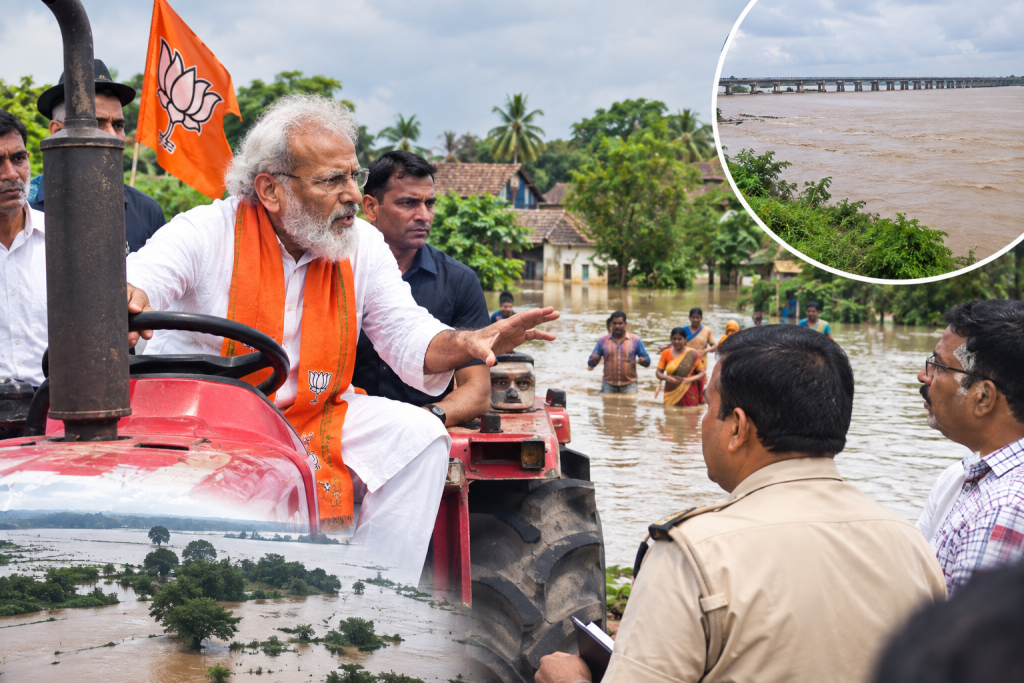
Heavy rainfall and repeated flooding along the Subarnarekha and Budhabalanga river systems have raised serious concerns in several parts of Baleswar district, particularly in low-lying rural areas. Rising river levels and successive waves of flooding have affected villages, agricultural land and local connectivity, creating difficulties for residents and farmers. The recurring nature of the floods has once again brought the region’s long-term flood-management challenges into focus. Amid the situation, Baleswar MP Pratap Chandra Sarangi personally visited affected areas to assess the ground conditions. During his inspection, he travelled through waterlogged areas on a tractor, allowing him to reach locations where normal road connectivity had been disrupted by floodwater. His field visit drew attention to the extent of waterlogging and the difficulties being faced by people living in vulnerable areas. The MP has raised concerns about the impact of recurring floods on local communities, particularly farmers whose agricultural fields can remain submerged during periods of high river discharge. Apart from crop damage, flooding can disrupt transportation, access to essential services and the day-to-day livelihood of rural households. The repeated occurrence of such situations has increased calls for measures that address the underlying causes of flooding rather than relying only on short-term relief and emergency responses. Sarangi has also sought greater attention from the state administration and relevant departments towards developing a permanent and comprehensive solution to the recurring flood problem. Discussions surrounding flood control have included the need for effective river management, strengthening vulnerable embankments, improving drainage systems and ensuring better coordination among departments responsible for disaster management and water resources. The flooding has also placed pressure on local administrative agencies to monitor river levels, assess vulnerable areas and provide assistance to affected residents. During severe flooding, timely evacuation, relief distribution, restoration of road connectivity and protection of agricultural communities become important priorities for the administration. The latest episode has renewed the debate over long-term flood management in Baleswar. While immediate relief remains essential during every flood event, the recurring impact on villages and agricultural areas has increased demands for sustained planning and infrastructure measures. The situation along the Subarnarekha and Budhabalanga river systems continues to be closely watched as authorities assess the impact of flooding and work towards restoring normal conditions in affected areas.

bjp bjd clash over local development projects
Politics News

BJP-BJD Clash Over Local Development Projects

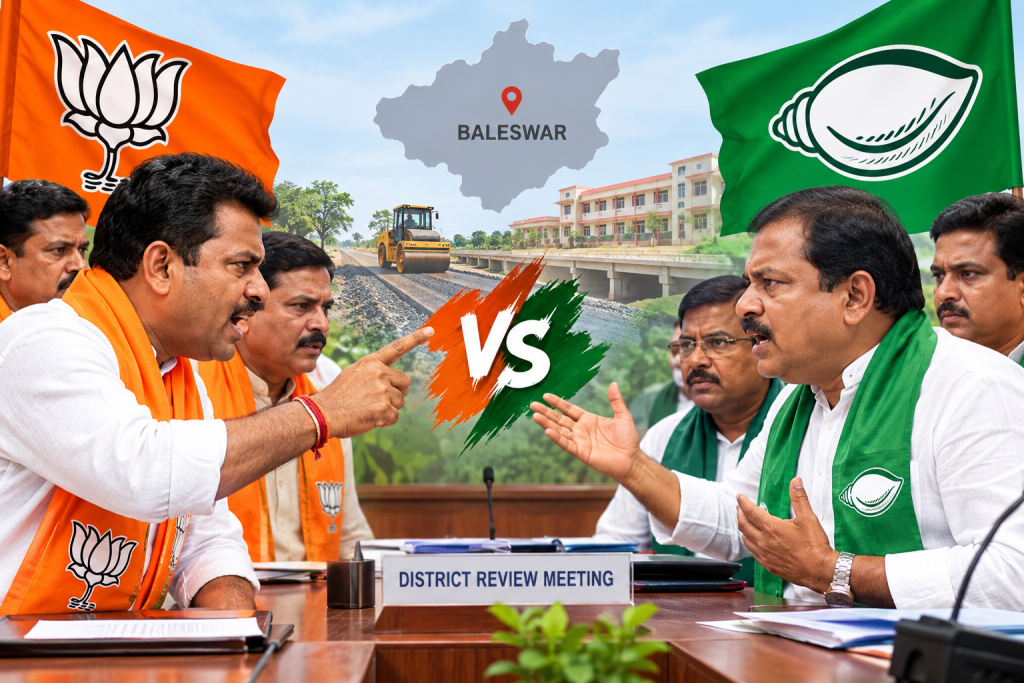
Political tensions between the ruling Bharatiya Janata Party (BJP) and the Biju Janata Dal (BJD) reportedly intensified during a district-level review meeting in Baleswar, with local representatives from the two parties engaging in a heated exchange over the implementation and credit for ongoing development projects. The confrontation has drawn attention to the increasingly competitive political atmosphere surrounding infrastructure and administrative works across the district. The disagreement reportedly centred on several ongoing government and infrastructure initiatives, with representatives raising questions about the progress of projects, their execution and the role played by different political and administrative stakeholders. Leaders from both sides sought recognition for development activities, leading to a face-off during the review proceedings. The episode reflects the political contest over how development achievements are presented to the public at the local level. The BJP, which currently forms the government in Odisha, and the BJD, which governed the state for several years before the change in government, have continued to compete for political influence across the state. At the district level, this competition can become particularly visible during discussions concerning roads, public infrastructure, civic facilities and other development programmes. The Baleswar meeting has therefore become a focal point for the broader political contest between the two parties. The incident has also generated discussion about the role of elected representatives and local administration in monitoring development projects. Supporters of the respective parties have put forward differing views regarding project implementation and political credit, while the exchange has raised questions about maintaining constructive coordination during official review meetings. As political activity continues in Baleswar, development projects and their implementation are likely to remain important issues in the local public debate. The episode has highlighted the need for transparent project monitoring, clear communication between elected representatives and officials, and a focus on the timely delivery of public infrastructure and services to residents. Further developments may emerge as both political parties respond to the confrontation and continue to present their respective positions on development in the district.

international trafficking probe sparks political heat
Politics News

International Trafficking Probe Sparks Political Heat

The rescue of five critically endangered baby orangutans from the Bichitrapur forest area of Baleswar has drawn significant attention from wildlife authorities and sparked concerns over the possible involvement of an international wildlife trafficking network. The incident has raised serious questions about how such highly protected and endangered animals could have reached the region, prompting authorities to intensify efforts to identify the source of the animals and determine the circumstances surrounding their movement. Odisha’s Forest and Environment Minister Ganesh Ram Singh Khuntia has stated that the Wildlife Crime Control Bureau (WCCB) and the Special Task Force (STF) are involved in investigating the case. The agencies are expected to examine possible trafficking routes, the individuals or networks involved, and whether the rescued orangutans were being prepared for illegal transportation or trade. The involvement of central and state enforcement agencies highlights the seriousness of the case, particularly because orangutans are protected wildlife and international trade in them is subject to strict regulations. The rescue has also generated political discussion, with concerns being raised about possible gaps in wildlife protection, monitoring and enforcement mechanisms. Opposition parties have sought greater scrutiny of the circumstances that allowed the animals to enter the area and have questioned whether existing safeguards were adequate. Authorities, meanwhile, are focusing on gathering evidence and tracing the wider network that may be connected to the case. The rescued orangutans are being kept under appropriate care while authorities continue their investigation. Wildlife officials and enforcement agencies are expected to examine available evidence, including transportation records, communications and other leads, to establish the animals’ origin and intended destination. The case has highlighted the continuing challenges faced by wildlife enforcement agencies in preventing the illegal movement and trafficking of endangered species. The investigation is ongoing, and further details are expected as the WCCB, STF and other authorities establish the facts surrounding the rescue. The case has brought renewed attention to the importance of coordinated wildlife protection efforts and stronger measures against international trafficking of endangered animals.